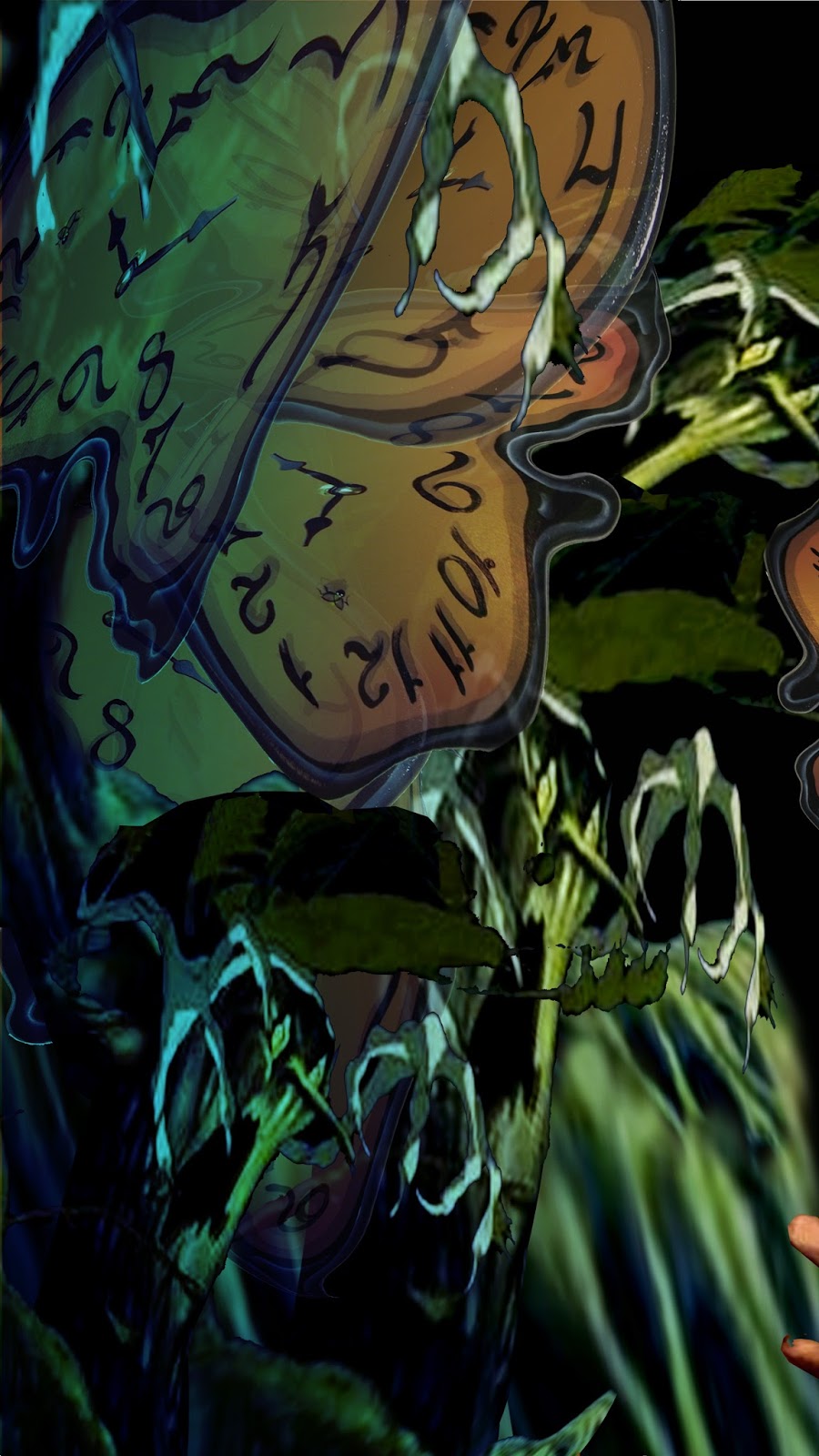
"The Work of art in the mechanical age of reproduction"
1. In section I the writer starts out by saying, "In principle a work of art has always been reproducible". Then goes on to say in section IV, "Every day the urge grows stronger to get hold of an object at very close range ", why is it as humans that we have a need to duplicate art so that we each can possess it. Why aren't we satisfied with just the one original.
2. In section V it goes in depth on the cult value of a piece. How it is hidden away and only some can actually view it, but as time goes on it says in section VI, "exhibition value begins to displace cult value all along the line". What changes this? Is it purely the fact that it became easier to reproduce art or are there underlying factors?